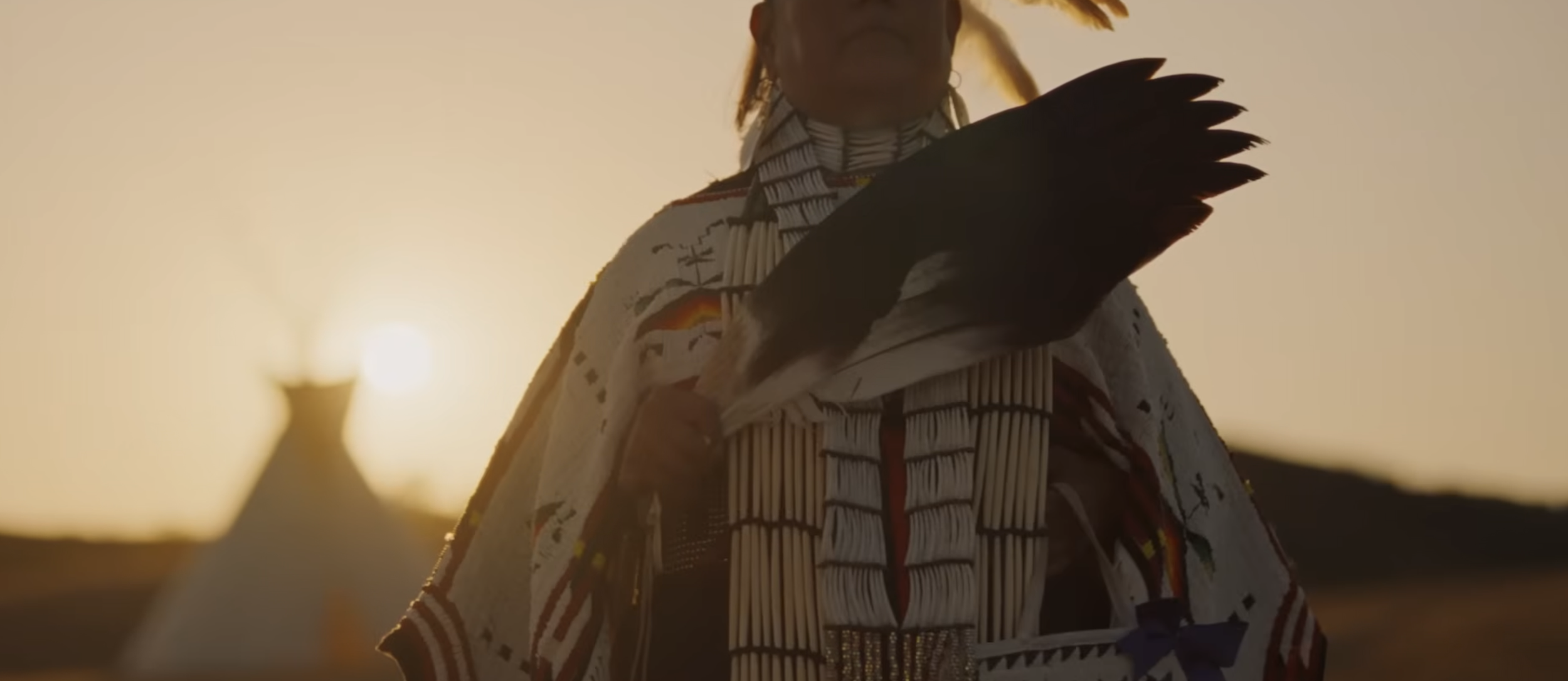
Artist in Residence: TÓPA
In Ralph Lauren’s first collaboration with an Indigenous-led brand, the partnership honors the Northern Plains heritage of Jocy and Trae and carries forward the stories and symbols that shape their identity.
The Story
Like Ralph Lauren’s dream of a better life, TÓPA (sounds like Do-PA)—meaning “four” in the languages of the Oceti Sakowin —weaves together the essential dimensions of wellness: mental, physical, emotional, and spiritual, creating not just fashion, but a path to living beautifully and authentically.
The Approach
Ralph Lauren’s purpose is to inspire the dream of a better life through authenticity and timeless style. It guides all aspects of our work, and that includes taking meaningful steps to be more inclusive throughout our business—from how we design to how products go to market.
For nearly 60 years, Ralph Lauren’s designs have been inspired by the lands, cultures, and artistry that make up the fabric of America. As we look to the future, mindful of our efforts to expand our portrayal of America, we are evolving our design approach from inspiration to collaboration—focused on honoring heritage craft and those who have sustained these traditions for generations.
Our Artist in Residence program is one of the ways we are creating a model of collaboration with the artisans who sustain heritage craft. The Ralph Lauren Artist in Residence program invites artisan craftspeople to collaborate with our design teams in a mutually beneficial creative partnership.
Through these collaborations, our hope is to help amplify the voices of these artisans as they tell stories of their culture and heritage from their own perspectives.
“Heritage and tradition are at the center of everything I love—things that encompass both beauty and utility, that are uncontrived and personal, and that are passed down for generations. Bringing the most authentic expression of heritage craft to life means working with those who have created and sustained these timeless traditions for centuries and sharing their stories with the world.”
— Ralph Lauren
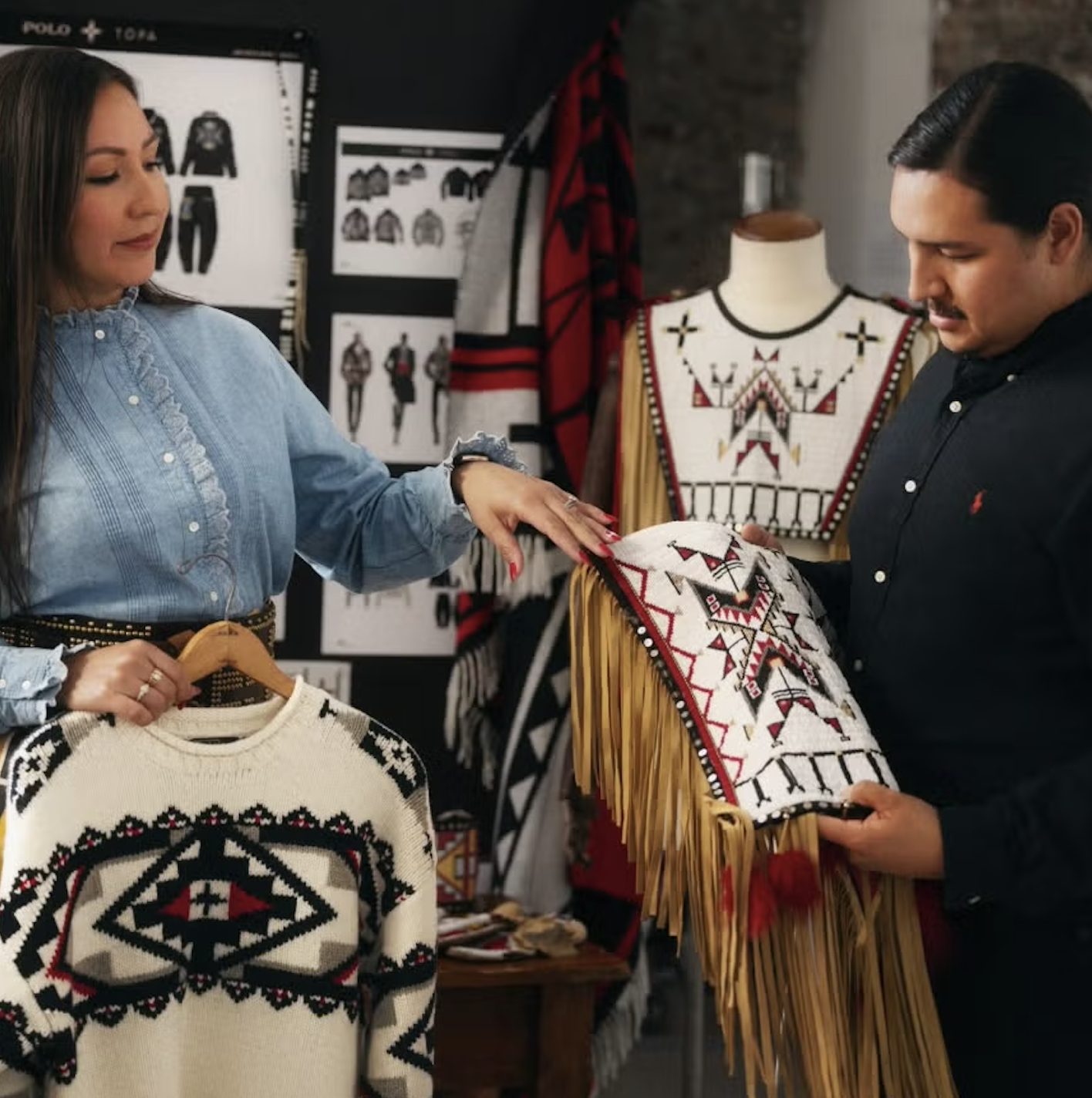
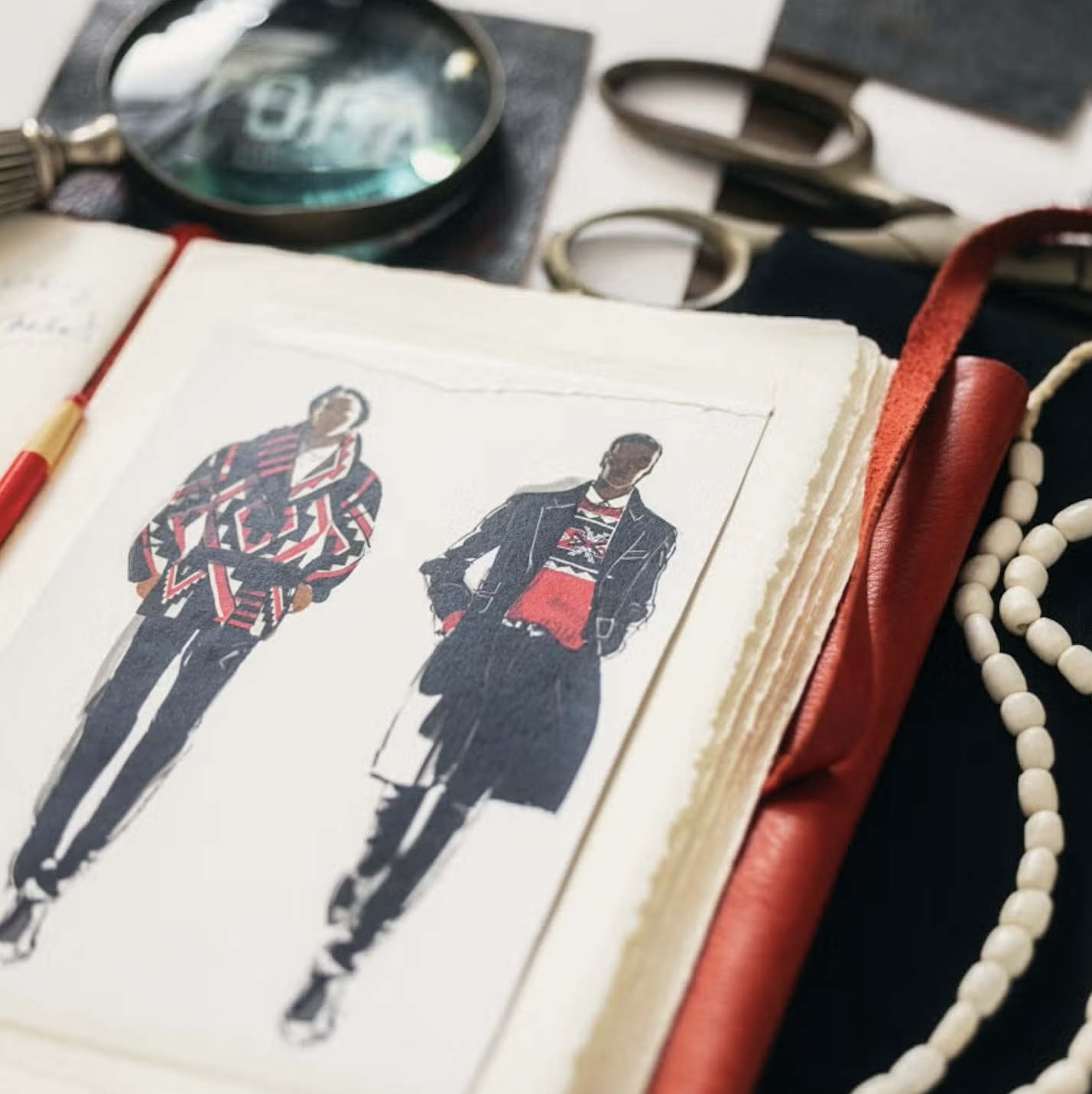
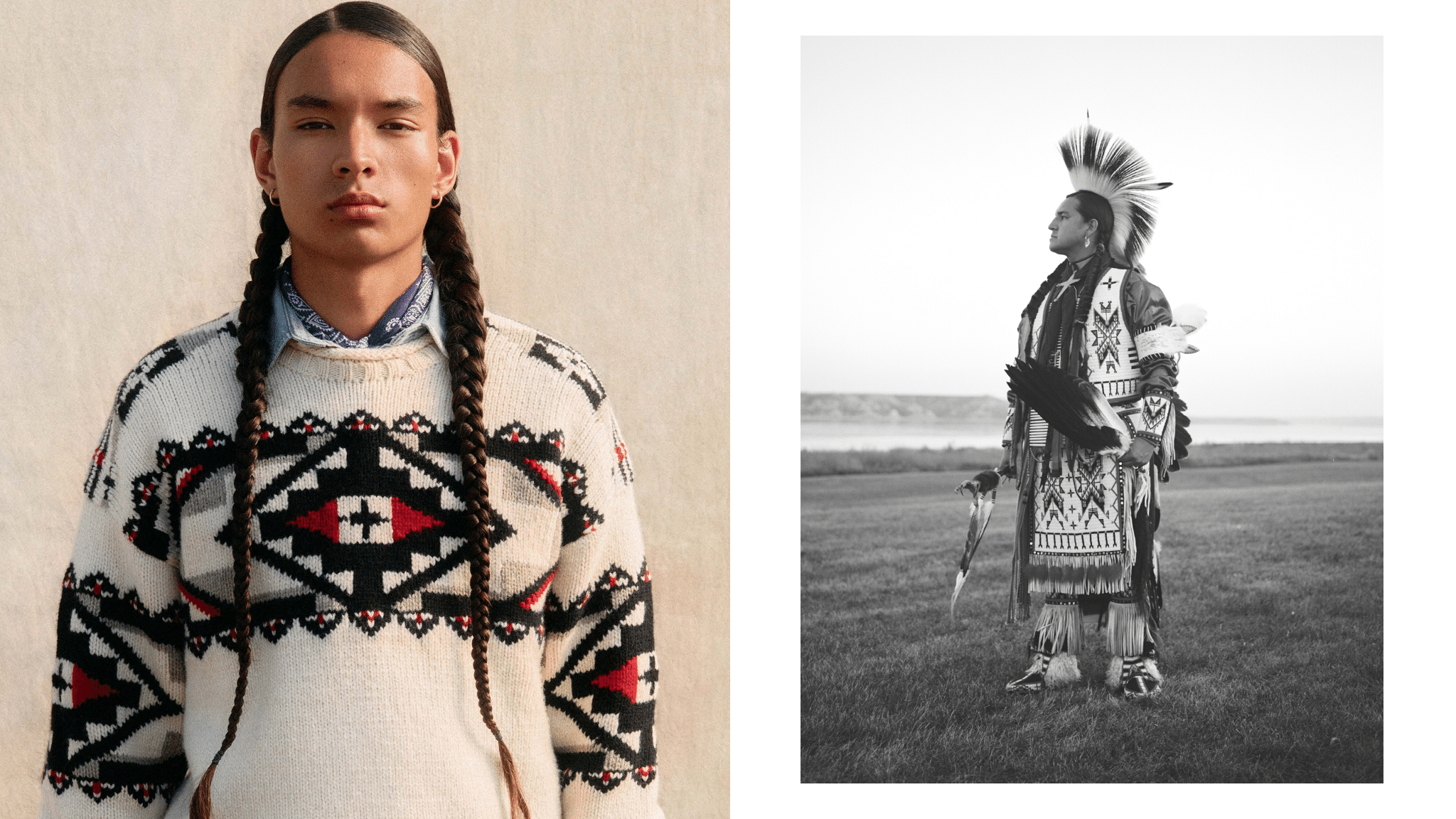
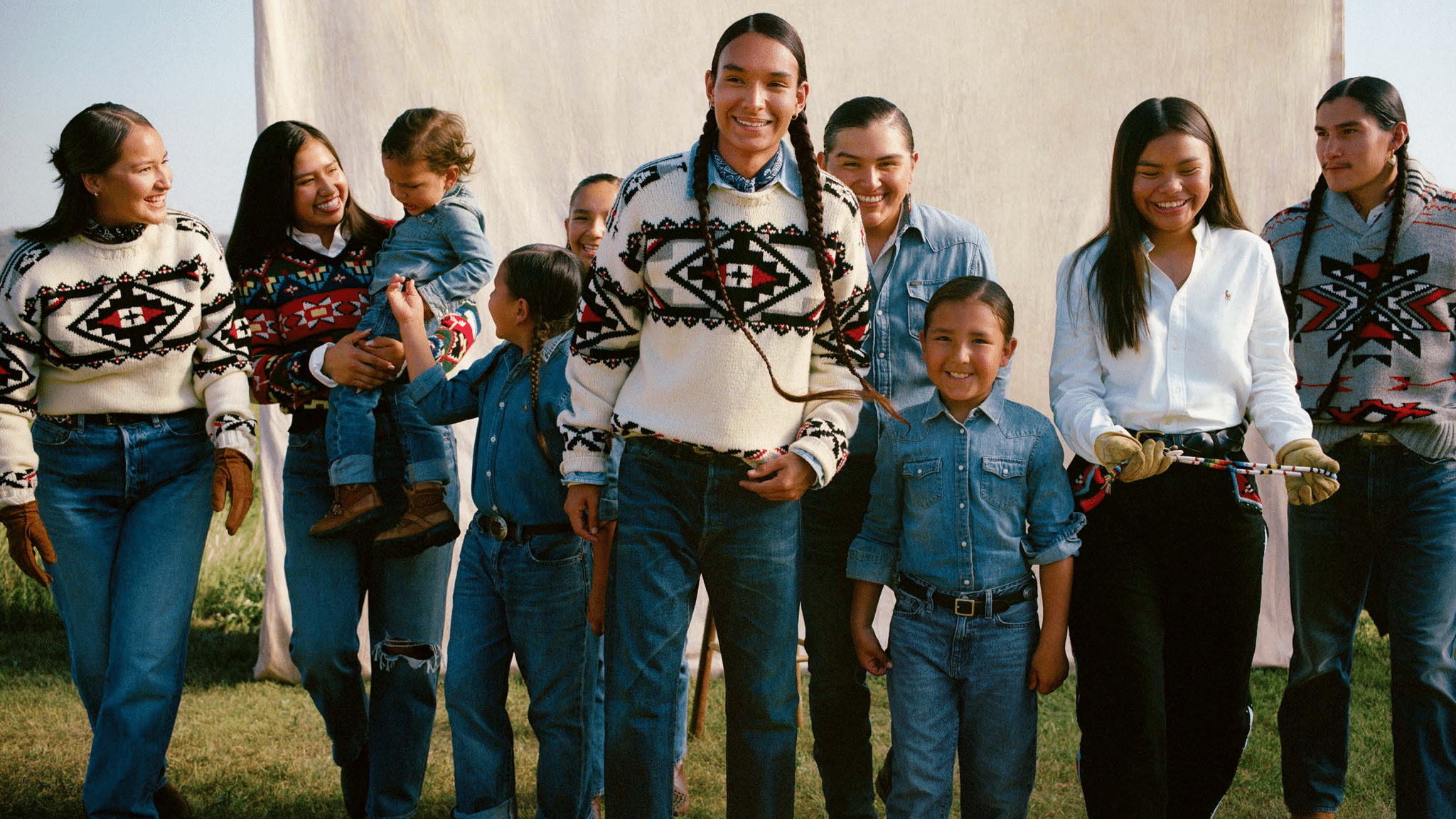
From the heart of the Northern Plains emerges an extraordinary vision: TÓPA, led by 2025 Ralph Lauren artists in residence Jocy and Trae Little Sky.
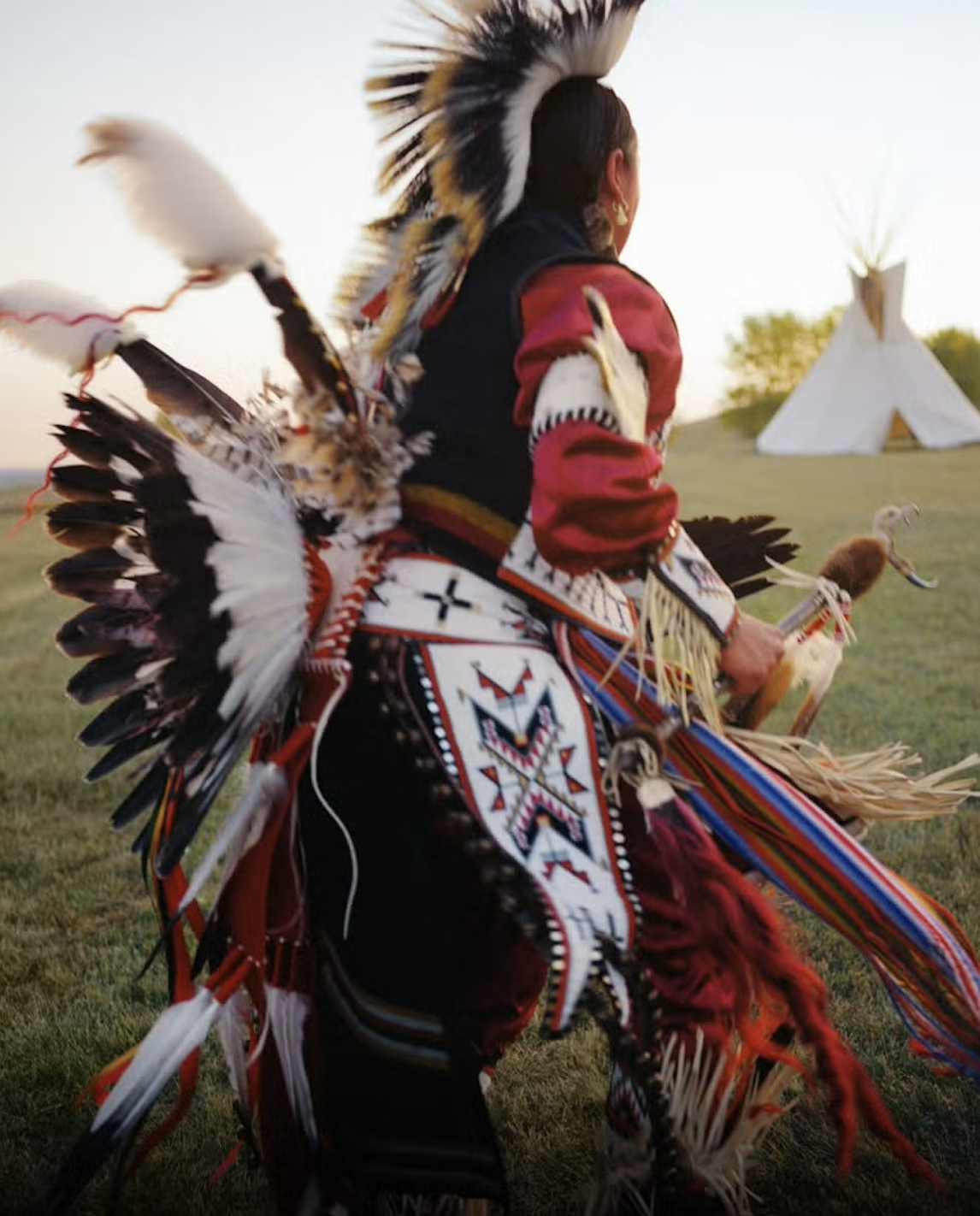
As a family, as dancers, and as creatives, Jocy and Trae celebrate their ancestral roots with designs that echo the vibrancy of Pow Wow culture and generations of craftsmanship. From the bright colorways and geometric patterns to traditional beadwork and modern silhouettes, each design element is thoughtfully considered, and every detail carries deep meaning.
The Style Inspiration
Symbolism of Designs: In the languages of the Oceti Sakowin, “TÓPA” means “four,” which is a recurring theme in the designs of the collection, representing various cultural elements. TÓPA can refer to four directions, four seasons, four stages of life, or four meaningful colors. The star is a significant symbol in their culture.
Significance of Patternwork: Thoughtfully placed borders and the use of geometric shapes often reflect the landscape, representing the western hills of South Dakota. These motifs symbolize natural elements and all living beings, which are core values throughout the designs.
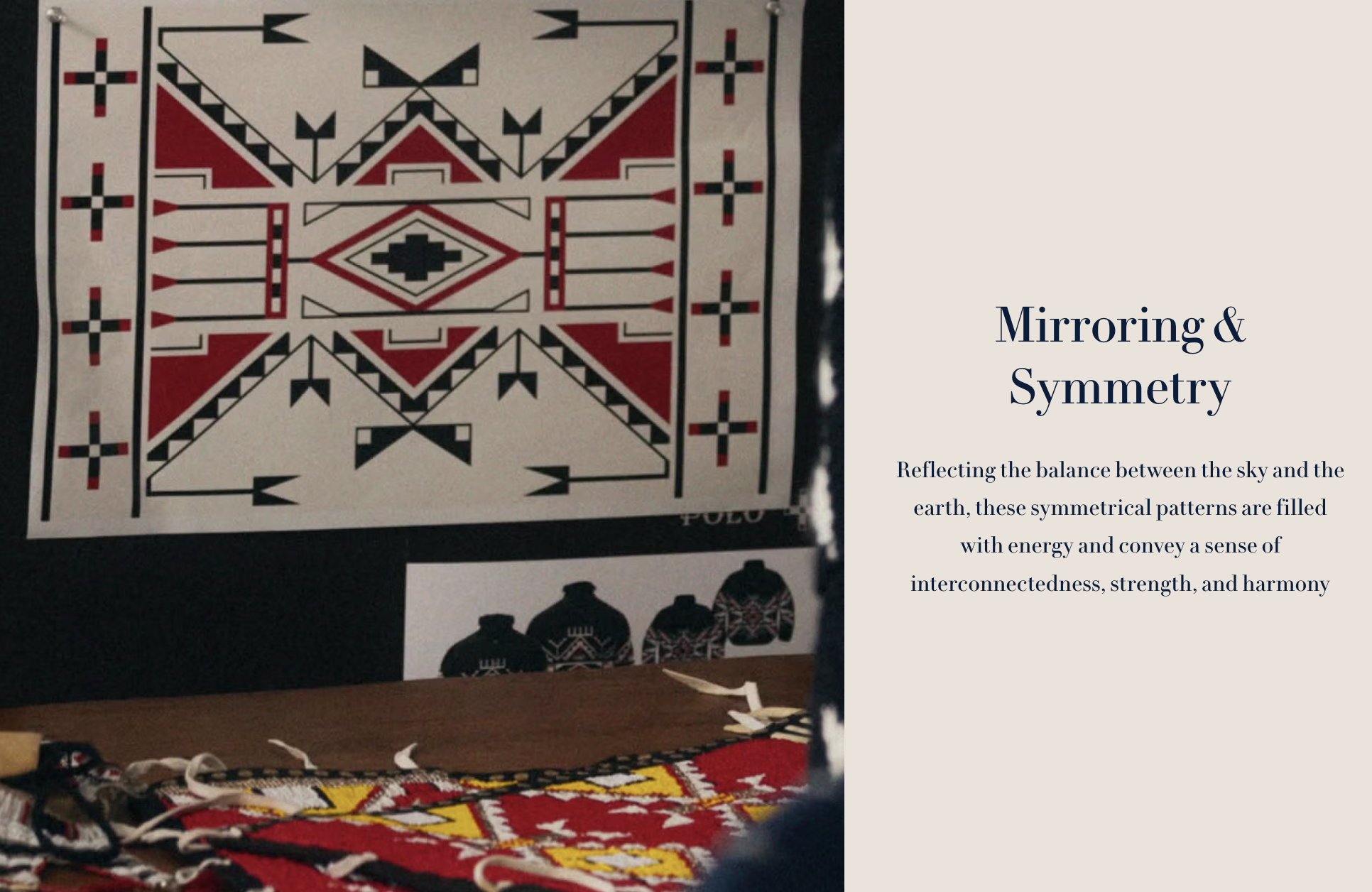
Mirroring & Symmetry: Often reflecting the belief that we come from the stars, connecting us to our celestial relatives in the sky. Thus, these patterns are filled with energy and convey a sense of flow. The different points within the patterns, and their adjacency hold significance, referring to the sky, earth, and within oneself—reflecting strength and balance.
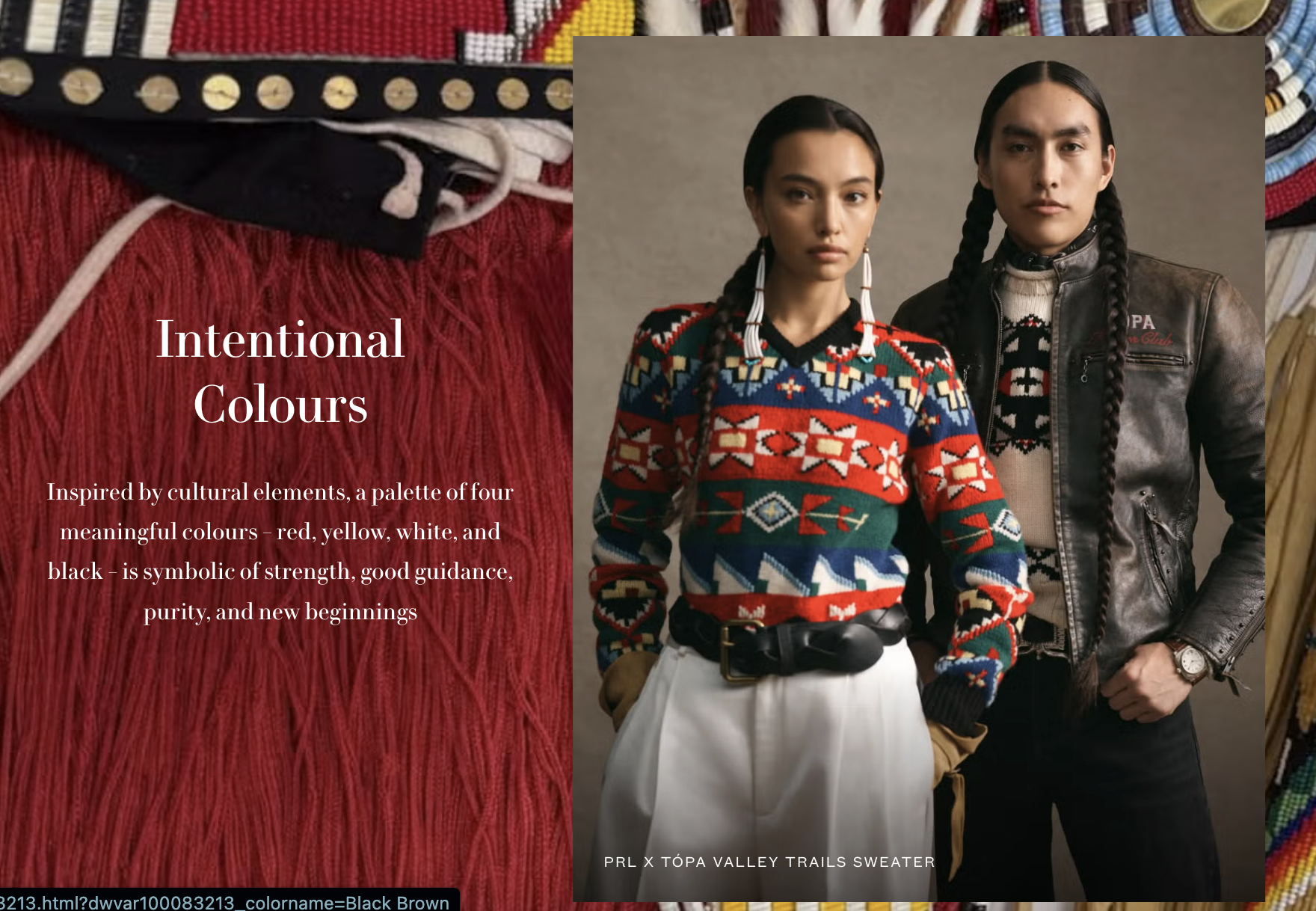
Color Inspiration: The colors are also inspired by cultural elements, rooted in the four colors of black, red, yellow, and white. Red = North; strength, ancestors | Yellow = East; sunrise, good guidance | White = South; purity | Black = West; thunder beings symbolize new beginnings.
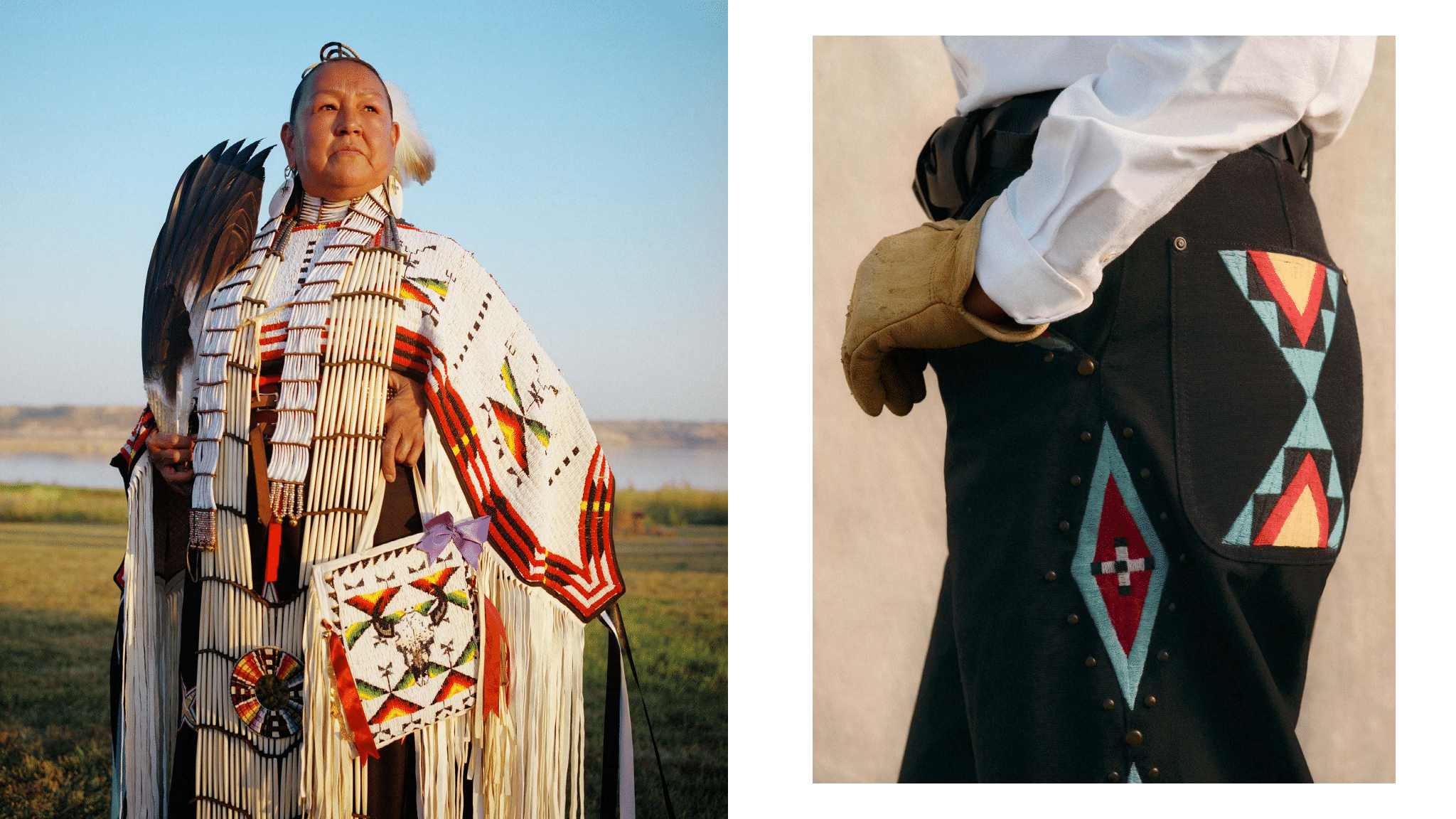
Studding Techniques: The use of studding, referred to as “tack work” in their designs, highlights cultural significance and historical context, originating in belts and holders to various leather and woven goods. The use of tack work to decorate items is a staple in their artistic expression, particularly signature to the tribes of the Northern Plains.
Beading Techniques: The introduction of beads through trade influenced the designs, resulting in distinct styles with striking color choices. Beading, quilling, and painting continue to be integral elements of cultural and artistic expression. These techniques also symbolize love, as the labor-intensive process demonstrates affection and appreciation. Often, these decorative pieces are created for loved ones, with a single item taking anywhere from days to years to complete.